
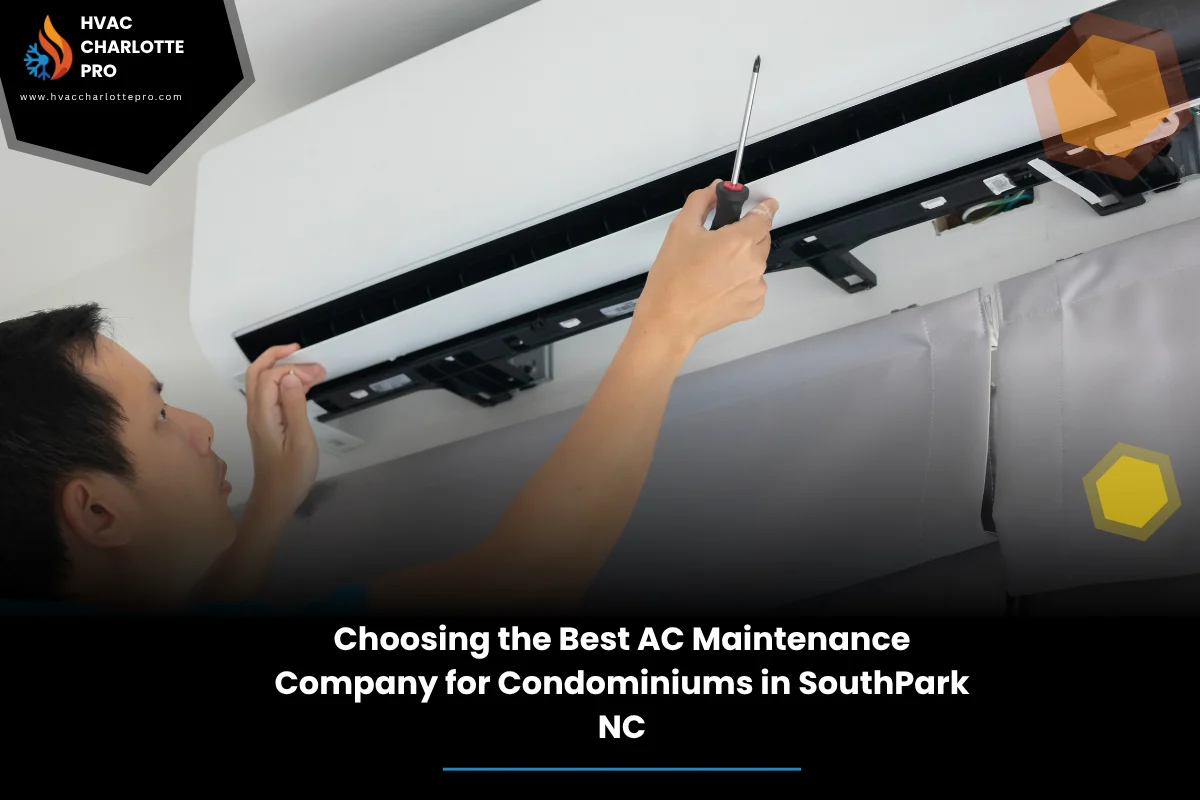
Finding the best AC maintenance company in Charlotte for a condo building is not the same as picking a contractor for a single-family home. Condos juggle shared equipment, tight access rules, and lots of neighbors who expect quiet, clean work. One missed detail can throw off comfort for an entire floor.
This guide walks condo boards, property managers, and owners through what truly matters. If you need a starting point to compare, the best AC maintenance company in Charlotte should meet clear standards on safety, scheduling, reporting, and long-term care. Teams like HVAC Charlotte Pro follow orderly checklists, coordinate with HOAs, and keep systems steady season after season.
Table of Contents
Quick Summary
Condo HVAC care lives at the crossroads of building rules, resident comfort, and reliable system health. Focus on three things: a tight plan for upkeep, clear coordination with the HOA and property manager, and proof of work that is easy to audit. The right partner will map assets, set a routine, and track issues fast.
Look for vendors who know shared spaces, have clean access protocols, and document every visit. Expect deep seasonal checks, filter and drain care, coil cleaning, and safe handling of roof or mechanical room work. Keep a simple framework to choose and manage the vendor, then review reports each quarter to stay ahead of surprises.
What Condos in SouthPark NC Need From AC Maintenance
SouthPark condos often mix in-unit air handlers with shared condensers or rooftop equipment. That means the vendor must plan for resident schedules, elevator access, and quiet hours. Good condo care also protects finishes in hallways and lobbies and keeps shared areas tidy during service.
Start with a building-wide asset list: make, model, serials, filter sizes, and access notes. Then build a routine by season so there is no guesswork. For deeper background on tasks and timing, see the Complete Guide to AC Maintenance in Charlotte NC for Reliable Home Comfort and match those points to the layout of your condo.
SouthPark, Charlotte Considerations That Change Your Maintenance Plan
Our summer heat and humidity hit hard, so drains clog faster and coils collect grime. That calls for tighter schedules for cleaning and checks on condensation lines. If your building allows pets or has heavy pollen seasons, plan more frequent filter changes and common area inspections.
When you compare air conditioning maintenance in Charlotte, ask how the vendor adjusts for humidity and long cooling seasons. Many residents search for home AC tune up near in Charlotte and expect next-day slots, but condos run on shared plans. Make sure the schedule supports both unit owners and the building’s shared gear.
Ask for proof of experience with AC inspection in Charlotte and full-scope AC service in Charlotte NC that includes both in-unit and shared systems. A vendor who knows local codes and condo rules will save time and avoid rework.
Core HVAC Tasks Your Condo Vendor Should Cover
The service plan should list tasks for each season and for both in-unit and shared equipment. At minimum, expect system cleaning, filter swaps, drain pan checks, and electrical checks. For shared condensers and rooftop units, add fan, belt, and refrigerant checks, plus safe roof access steps.
Inside homes, techs should run thermostats, confirm airflow, and note any noise or vibration. In common areas, they should inspect isolation pads and check for leaks. A strong plan will include a seasonal tune-up that looks at every point that can fail before peak heat arrives.
HOA, Property Manager, and Vendor Coordination
Great maintenance falls apart without tight coordination. Set a single point of contact who handles notices, keys, fobs, and elevator bookings. Share quiet hours, move-in rules, and where techs can stage tools.
Build a simple message template for residents so they know dates, times, and what to expect. Store permits, insurance, and access permissions in one place. Clear HOA compliance keeps service smooth and avoids hallway backups or missed entries.
Safety, Access, and Unit Entry Rules
Condo work adds risk: tight shafts, roof edges, and lots of locked doors. Your vendor must carry proper insurance and train techs on ladders, rooftops, and confined spaces. Require shoe covers and clean drop cloths in every unit.
Agree on two-person entry for unoccupied units, photo logs for pre-existing conditions, and a sign-in sheet at the desk. Elevator pads and corner guards protect finishes. Good access protocols stop damage claims before they start.
Response Time and After-Hours Support
One failed air handler can affect neighbors too. Define daytime response time, after-hours coverage, and who gets called first. If a part is delayed, set a way to supply loaner fans or window-safe options with HOA approval.
Ask how the team handles weekend calls, storm outages, and supply shortages. A vendor with a parts plan and clear emergency service tree will keep stress low when heat swells.
A Simple Framework to Choose and Manage Your Condo AC Vendor
Use this five-step path to make a clean choice and run the program without drama. It keeps the board, manager, and vendor on the same page all year long.
- Scope: Map all assets, access limits, and quiet hours. Ask for a plan that supports a preventive maintenance schedule for peak seasons.
- Screen: Check licenses, insurance, condo experience, and sample reports. Call two condo references.
- Pilot: Start with one stack or one wing. Review results, timing, and resident feedback.
- Standardize: Approve a checklist, reporting format, and response targets. Store everything in shared folders.
- Review: Hold a quarterly meeting to adjust schedules and budget. Track recurring issues and solve root causes.
If you want deeper task lists and timing, see the complete guide on this topic and adapt it to your building’s layout and rules.
Comparing Service Models for Condos
Choosing how you structure the work matters as much as who does it. Here is a simple comparison to help boards and managers align on approach before collecting bids.
| Model | Pros | Cons | Best For |
|---|---|---|---|
| HOA-managed in-house | Control, same-day attention, known staff | Training gaps, tool limits, coverage risk | Small buildings with simple gear |
| Single vendor contract | One call, clear reports, full scope | Less price flexibility, vendor dependency | Mid to large condos with shared systems |
| Hybrid multi-vendor | Price checks, niche skills, backup options | More coordination, mixed report formats | Complex sites needing specialty service |
Energy and Air Quality Gains That Pay Back
Clean coils, clear drains, and right-sized filters do more than prevent breakdowns. They help lower run time, keep humidity in check, and reduce musty smells in halls and elevators. Ask for measured results like temperature split, static pressure, and recorded filter changes.
Inside units, steady filter swaps protect both equipment and health. In common spaces, regular coil cleaning and drain care prevent leaks and slip hazards. Tie these tasks to your seasonal plan so they never get skipped.
What to Look For in Proposals and Reports
Proposals should list tasks, visit counts, parts coverage, and what triggers extra charges. They should also explain after-hours rules and how emergencies work. A clear pricing structure avoids surprises later.
Reports should note readings, photos, and next steps in plain language. Track trends like rising amp draw or repeat drain clogs. Require consistent maintenance logs so board members can audit work in minutes.
Red Flags and How to Vet Providers
Watch for vague scopes, no condo references, and thin insurance. Be wary of pushy upsells that do not match age or condition. Look for clean uniforms, marked vehicles, and on-time arrivals.
Ask techs to walk a recent job and explain what they checked. Review sample reports. Confirm license and insurance with the issuer, not just a PDF. A careful screen prevents most headaches.
FAQ
- How often should condo HVAC systems be serviced?
At least twice a year, once before cooling season and once before heating season. Shared equipment may need quarterly checks due to higher load and constant run time.
- What is included in a condo AC maintenance visit?
Typical visits include cleaning coils, changing filters, checking drains, tightening electrical, testing thermostats, and documenting readings. For shared units, add fan, belt, and refrigerant checks.
- How do we schedule access to individual units?
Work with the property manager to send notices in advance, collect permissions, and group visits by floor. Use a sign-in sheet, shoe covers, and a two-person entry rule for unoccupied homes.
- What should a maintenance report show?
Dates, locations, photos, measured readings, and clear next steps. Reports should tie to a standard checklist so board members can compare across visits and units.
- How fast should a vendor respond to cooling outages?
Set expectations in the contract. Many condos ask for same-day triage during business hours and defined after-hours response for critical issues like leaks or no-cool conditions.
- Do condos need different filters than single-family homes?
Often yes. Shared equipment and long duct runs may need specific sizes or ratings. Follow manufacturer guidance and balance filtration with proper airflow to avoid strain.
Conclusion
Condo buildings thrive on steady planning, clean access, and clear proof of work. When you choose with care, you protect comfort for every neighbor and extend system life. Keep your framework tight, your reports simple, and your vendor accountable.
If you are comparing options, measure each bidder against safety, coordination, reporting, and long-term care, not just price. Tie their plan to your rules and to a seasonal checklist that fits our climate. To discuss details or review a plan, Contact HVAC Charlotte Pro for expert assistance. That way, you stay focused on condo life while the best AC maintenance company in Charlotte handles the heavy lifting.
continue reading
Related Posts
Learn how preventative AC maintenance in Charlotte keeps older Dilworth homes cool, steady, and efficient with simple steps, seasonal checklists, and smart airflow fixes.
Busy schedule? Same day AC maintenance in Charlotte targets airflow, drains, coils, and controls for quick comfort. Learn smart prep, Uptown access tips, and when to choose same-day, emergency, or routine care.
Plan AC maintenance before summer in Charlotte for South End apartments. Learn renter-safe checks, pro tune-up steps, a 5-step framework, and energy and air tips.