
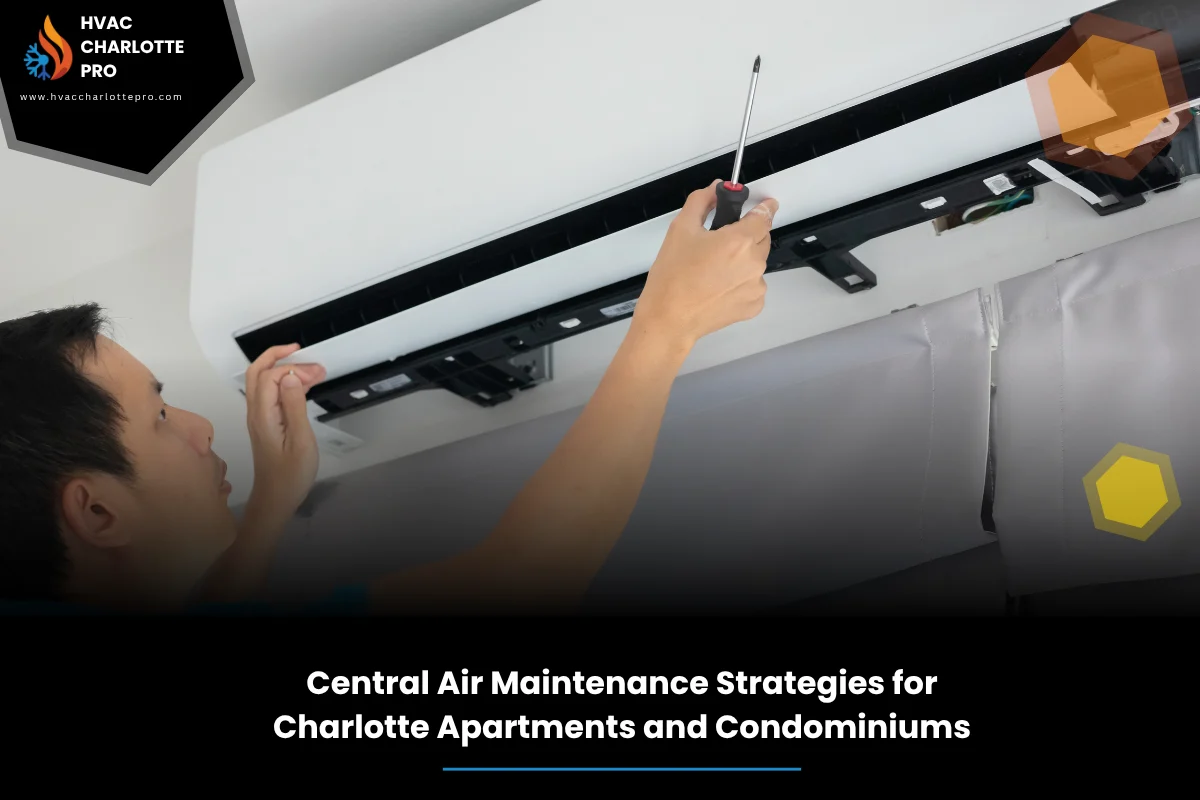
Shared walls and shared systems change how you care for cooling. In multifamily buildings, one weak filter or a blocked return can ripple across floors. If you manage units or run an HOA, you need a clear plan for central air maintenance in Charlotte that fits busy buildings and humid summers. For practical steps, see central air maintenance in Charlotte for detailed service scope and scheduling ideas.
Charlotte’s sticky air pushes AC systems hard, and small mistakes often show up as hot rooms, musty smells, and high bills. The good news: steady care keeps things smooth. Teams like HVAC Charlotte Pro see this daily across apartments and condos. Keep reading for simple routines, a building-level framework, and a quick way to spot issues early before they spread.
Table of Contents
Quick Summary
Multifamily HVAC care works best when you blend building tasks with in-unit habits. Start with a shared filter plan, coil cleaning, drain checks, and fan calibration. Track humidity and airflow to stop mold and comfort swings. When you see uneven cooling or short cycling, act fast. A short, shared, and proactive maintenance checklist keeps everyone on the same page and helps renters and owners do their part without guesswork.
Use clear reminders for filter swaps, dryer vent checks, and vent clearing. Add mid-season spot checks during peak heat. If your property faces high moisture, tune dehumidification and blower speeds and verify condensate drains. This approach supports HVAC maintenance in Charlotte NC and fits humid climate AC maintenance needs.
Why Maintenance Is Different in Multi-Unit Buildings
In a single-family home, one issue affects one family. In a mid-rise, one clogged return or failed condensate line can impact many. That is why a simple, shared multi-unit maintenance plan matters. For deeper building and in-unit routines, see the Complete Guide to AC Maintenance in Charlotte NC for Reliable Home Comfort, which pairs well with the strategies here.
Multi-unit spaces also face mix-and-match hardware. Some floors may have newer air handlers while others run older ones. Balance work by age and condition, set a common filter standard, and keep a log of coil and drain dates across all air handlers.
Charlotte Humidity: What It Does To Your AC
High humidity makes rooms feel warmer, drives longer run times, and raises energy use. Cooling is only half the job; moisture removal is the other half. You need strong humidity control: correct blower speed, clean coils, clear drains, and a working condensate pump. In older condos, undersized returns also limit dehumidification.
According to the U.S. Department of Energy (2023), routine HVAC tune-ups, clean filters, and correct refrigerant charge improve efficiency and comfort, which includes better moisture control in warm climates. Maintaining Your Air Conditioner
A Simple Seasonal Checklist for Property Managers
Use a short, shared seasonal checklist that blends building and in-unit steps. Keep it the same each season so residents learn the rhythm. Post it in the lobby, tenant portal, and elevator screens if you have them.
- Spring: Inspect outdoor coils, test condensate pumps, clear drains, verify thermostat schedules, and balance airflow on common floors.
- Mid-Summer: Spot-check supply temps, scan for icing, listen for blower noise, and confirm humidity stays near 45–55 percent when possible.
- Fall: Clean indoor coils, vacuum returns, check dampers, and log filter dates for every unit and common area.
- Winter: Run the fan and verify heat stages if you use heat pumps, then prep spares: filters, drain tablets, and pump alarms.
Filter Strategy for Apartments and Condos
Filters are your first defense. A clear, building-wide filter management program saves energy and lowers complaints. Pick one filter type and size per model, stock extras, and set swap dates by floor or stack. In humid months, shorter intervals help coils stay dry and clean.
Tips that work: label air handlers with the last change date, offer a resident reminder text, and stage extra filters with building staff. If units use higher MERV filters, verify static pressure so fans are not overworked.
Red Flags: AC Not Cooling Efficiently in Shared Systems
When you hear that an area is warm, act fast. An performance diagnostics pass can stop spread to other units. Look for these signs of AC not cooling efficiently: long run times, uneven room temps, warm air at vents, sweating lines, or a musty smell around returns.
Quick checks that help: confirm filters and returns are clear, measure supply and return temperature split, and look for a slow or noisy condensate pump. If multiple units on one riser report issues, check coil cleanliness and blower speeds for that group.
Framework: The 6-Point Plan to Coordinate Building and In-Unit Care
This simple coordination framework lines up staff, residents, and vendors. It pairs with the complete AC care concepts covered in the pillar content. For more detail on tune-up items, see the complete guide on this topic and map those tasks to your property calendar.
- Standardize: Choose one filter grade that fits your equipment and humidity load, and set a shared change cycle.
- Calendar: Build a 12-month plan with spring and fall deep cleans and mid-season spot checks.
- Labeling: Add stickers with service dates on air handlers, pumps, and panels. Keep a simple log by floor.
- Access: Pre-authorize entry windows for vendor visits so units are not skipped.
- Communication: Send reminders before heat waves and storms. Share quick DIY steps for residents.
- Review: After each season, review complaints, bills, and repair calls. Adjust the schedule where pain shows.
DIY vs Professional Maintenance for Multi-Unit Buildings
Some jobs are safe for residents or on-site staff. Others need tools, training, and proper testing. A balanced plan blends both. Aim for frequent light care in units and less frequent but deeper professional inspection at the building level. This also aligns with HVAC maintenance in Charlotte NC best practices.
| Task | DIY or Staff | Pro Needed |
|---|---|---|
| Filter replacement and return cleaning | Yes | No |
| Thermostat checks and schedule updates | Yes | No |
| Coil cleaning and blower calibration | No | Yes |
| Condensate pump testing and drain flush | Staff with guidance | Yes for repairs |
| Refrigerant charge verification and leak checks | No | Yes |
| Airflow balancing across floors | No | Yes |
FAQ
- How often should filters be changed in apartments and condos?
In humid months, monthly to bimonthly works well. In milder seasons, every 60 to 90 days may be fine. Use a single building schedule so no stack falls behind.
- What indoor humidity should we aim for in Charlotte?
Target roughly 45 to 55 percent during cooling. If you struggle to hold that, check blower speeds, clean coils, and verify drains and pumps.
- Why do some top-floor units run hotter?
Heat rises, roofs radiate, and duct runs may be longer. Balance airflow, add shading where possible, and confirm attic or roof areas are ventilated.
- What causes short cycling in a condo air handler?
Dirty filters, iced coils, faulty thermostats, or incorrect blower settings. Check filters first, then fan settings, then call for testing if it continues.
- Is a higher MERV filter always better?
Not always. Higher MERV can add resistance. Match filter grade to your system and verify static pressure so airflow and dehumidification stay strong.
- Why does one line of units smell musty?
Likely a drain or pump issue, dirty coils, or wet insulation near returns. Clear drains, clean coils, and inspect for hidden moisture.
- When do we call a professional?
Call for coil cleaning, airflow balancing, refrigerant checks, pump failures, or recurring hot spots. If many units report AC not cooling efficiently, act quickly.
Conclusion
Central systems in apartments and condos thrive on routine. When you standardize filters, plan deep cleans, and watch humidity, comfort stays steady and bills drop. With humid summers, central air maintenance in Charlotte needs both building-level care and simple in-unit habits. Keep your logs clear, share reminders, and adjust the schedule after each season.
If issues spread or repeat, bring in a pro team to test airflow, drains, and charge. A steady plan prevents small problems from growing across floors. Contact HVAC Charlotte Pro for expert assistance. Use these strategies alongside the complete AC maintenance guidance you already have, and your property will feel cooler, drier, and far less stressful to manage.
continue reading
Related Posts
Townhome-friendly residential AC maintenance in Charlotte: a simple checklist, seasonal rhythm, humidity control, and shared-wall tips to keep comfort steady and quiet.
See how annual AC maintenance plans in Charlotte support senior living facilities with steady comfort, humidity control, and fewer surprises. A simple framework, smart upgrades, and clear logs keep residents safe and calm.
See what residential AC maintenance in Charlotte covers for single family homes. Get a clear checklist, tune up vs inspection differences, and a simple care plan.